5 Warning Signs Your Concrete Has Freeze-Thaw Damage
Freeze-thaw damage rarely announces itself all at once. It usually starts small — a hairline crack, a slightly rough patch, a section that seems just a little uneven — and gets written off as cosmetic. In Flagstaff's climate, with NOAA climate normals putting the area at around 206 freeze days a year on average, those small signs tend to compound fast. Here's what to actually watch for.
1. A crack that's visibly wider than it was last year
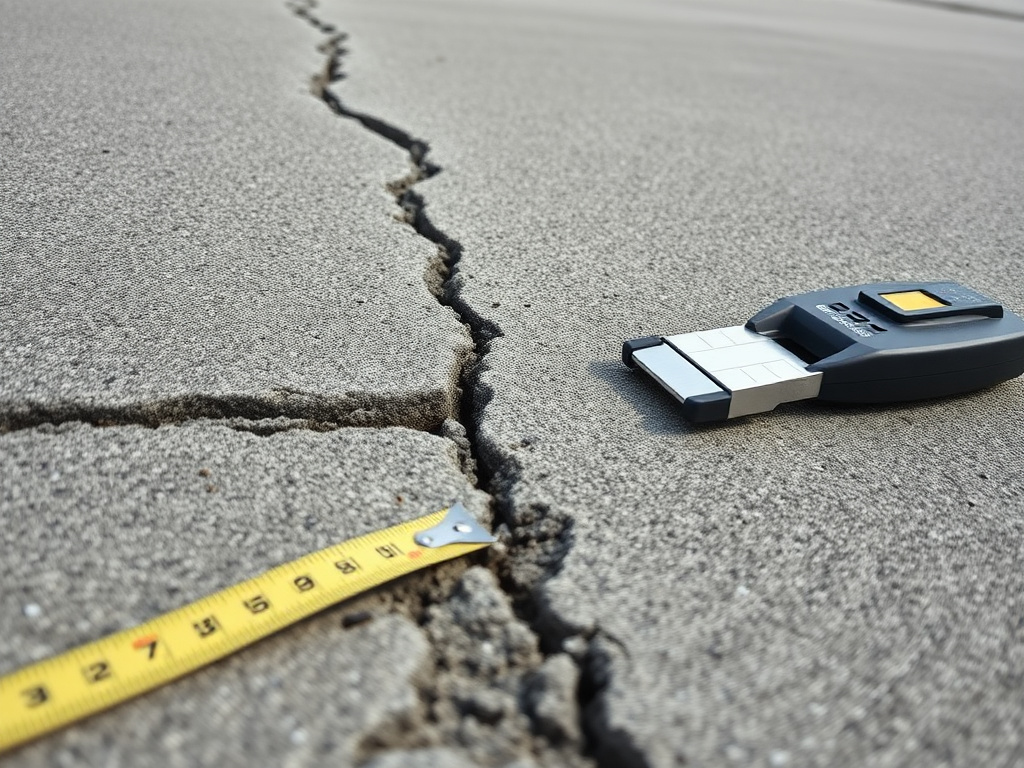
Any crack in concrete is worth noting, but a crack that's measurably wider than it was the previous season is a clear sign that freeze-thaw cycling is actively working on it. Water gets into the crack, freezes, expands by roughly 9% in volume, and pushes the crack open a little more with each hard freeze. If you can slide a coin edge-on into a crack that used to be a hairline, that's a meaningful change worth having looked at before another winter passes.
2. A rough, flaking, or crumbly surface texture
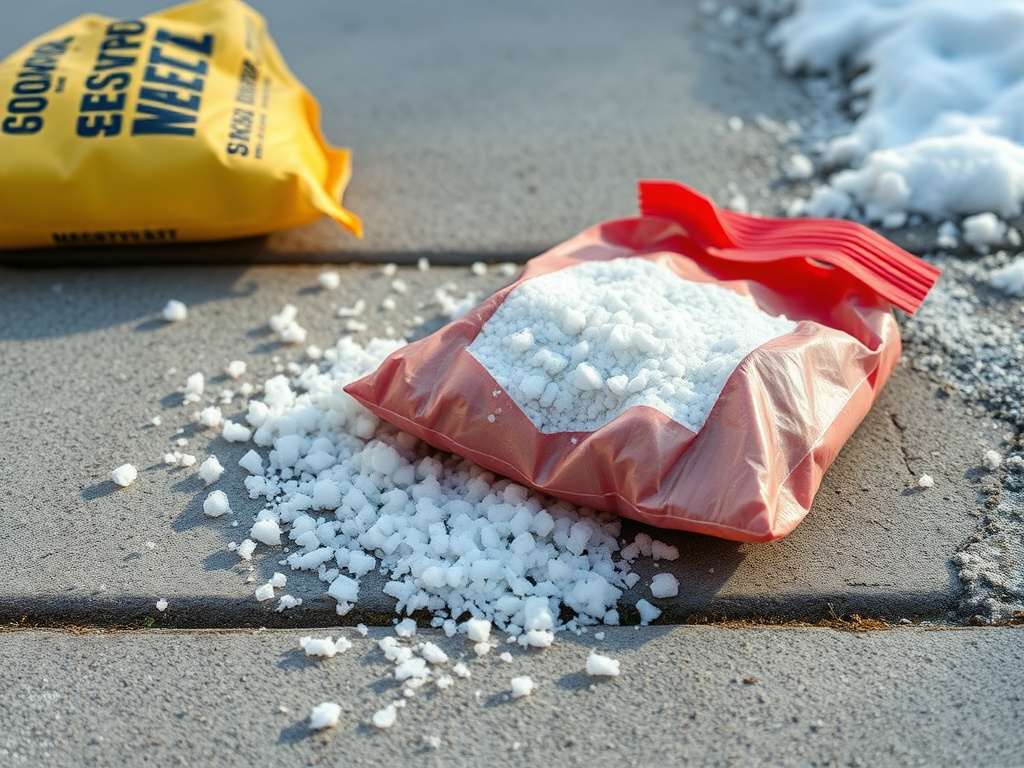
Smooth concrete that starts feeling rough or gritty underfoot, or that's visibly shedding small flakes or chips, is showing scaling — a surface-level freeze-thaw failure. It's often concentrated in one specific area rather than spread evenly, which is itself a clue: that spot is probably staying wetter longer than the rest of the slab, whether from shade, poor drainage, or repeated ice-melt salt application.
3. Visible aggregate or a pitted, pockmarked surface
If you can see the small stones (aggregate) that make up the concrete mix poking through the surface, or notice small cone-shaped pits where a chunk of material has popped out, that's more advanced surface damage — spalling or, in the case of isolated pits, popouts. A popout is usually a single piece of aggregate near the surface that itself absorbed water and expanded when it froze. Widespread exposed aggregate points to broader spalling that's worth a full assessment rather than a single spot repair.
4. A section that's noticeably lower, higher, or tilted
Settlement doesn't always happen evenly. If part of your driveway, walkway, or patio has sunk relative to the section next to it — creating a lip, a puddle that never used to form, or a noticeable dip — that's a sign the soil underneath has shifted, which is a common story in Flagstaff given the area's cinder-over-clay soil profile combined with genuine freeze-thaw cycling. An uneven slab isn't just cosmetic; it's a trip hazard and it tends to shed water in directions it shouldn't, which can accelerate damage nearby.
5. Standing water or ice that lingers in one specific spot
Pay attention to where snowmelt or rain actually sits on your concrete. A spot that holds water noticeably longer than the surrounding surface — or that tends to ice over first and stay icy longest — is exactly the kind of saturated area where freeze-thaw damage accelerates. Concrete that stays relatively dry through a cold snap holds up fine no matter how many times the temperature crosses freezing; concrete that's frequently saturated is where the real damage concentrates. If you notice a recurring wet or icy spot, that's worth a look even before visible cracking or spalling shows up there.
A bonus sign: cracking or scaling that follows the sun, or doesn't
One pattern worth watching for is how damage lines up with sun exposure across your property. A south-facing driveway apron that gets direct sun most of the day tends to see faster freeze-thaw cycling than a shaded north-facing walkway, simply because the sunny section thaws and refreezes more often across a single day — more freeze-thaw cycles per winter on the same calendar, even though it's also drier overall. A shaded section, meanwhile, cycles less often but holds moisture longer once it does freeze, which can mean fewer but more damaging cycles. If you're noticing your driveway and a shaded side walkway aging very differently even though they're the same age and the same concrete, that's this dynamic at work, and it's useful information for prioritizing which section to have inspected first.
What to do if you're seeing these signs
None of these signs on their own mean your concrete needs to be replaced — in most cases, catching freeze-thaw damage early means a straightforward crack repair, a targeted resurfacing, or a slab-leveling fix rather than anything more involved. The value of catching it early is mostly about cost and scope: a crack or scaled patch addressed before another full winter of cycling is a smaller, cheaper repair than the same damage after it's had a chance to spread. A free on-site inspection is the fastest way to find out what you're actually dealing with.
Frequently asked questions
In Flagstaff's climate, yes, it's worth keeping an eye on — and ideally sealing before winter. With around 206 average freeze days a year, water that works into even a hairline crack can freeze and expand, widening the crack a little more with each cycle. A crack that's minor now is often noticeably bigger by spring if it's left alone through a full winter.
That's almost always a saturation pattern. Concrete that stays relatively dry through freeze cycles holds up well; concrete that's frequently wet — a shaded corner, a low spot, an area near a downspout — has more water available in its pores to freeze and expand, which is why damage concentrates in that one recurring spot rather than spreading evenly across the slab.
Ready for a free estimate?
Tell us about your damaged concrete and we'll build a clear, no-pressure estimate.