Local concrete repair across elevation, soil, and climate
From our home base in Flagstaff at roughly 6,900-7,000 feet down to Prescott Valley at around 5,100 feet, freeze-thaw exposure and soil conditions genuinely change across this region — and we tune every repair to the actual conditions of your property, not a one-size-fits-all template.
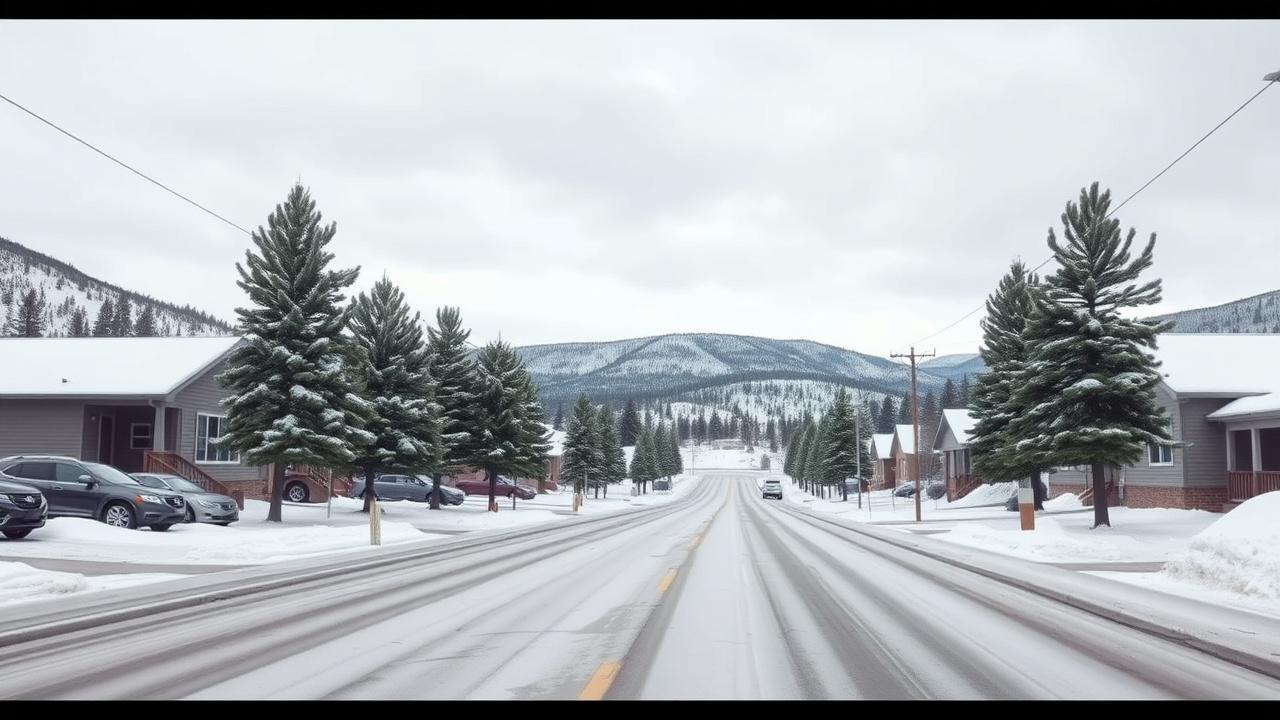
Communities we serve
Click through to a free estimate for your property — wherever you are in Northern Arizona's high country.
Flagstaff, AZ
Our home base at roughly 6,900 feet, where NOAA normals put Flagstaff at around 206 days a year at or below freezing. Older concrete around Historic Southside, Sunnyside, and the Townsite/Downtown core carries decades of freeze-thaw cycling on top of a cinder-over-clay soil profile — a repair job here is rarely just cosmetic.
Free estimate in FlagstaffDoney Park & Fort Valley, AZ
Unincorporated Coconino County communities north and east of Flagstaff, built on the same volcanic cinder ground and subject to the same 30-inch frost-depth footing rule as the city. Larger lots here often mean longer driveways and more linear footage of exposed slab taking the winter cycle.
Free estimate in Doney Park & Fort ValleyMunds Park & Kachina Village, AZ
Forested communities along I-17 south of Flagstaff sitting at similar high elevation, with heavy seasonal snow load and shaded lots that hold moisture in slabs longer through the freeze season — a real factor in how fast freeze-thaw damage develops.
Free estimate in Munds Park & Kachina VillageBellemont & Parks, AZ
West of Flagstaff along I-40, still inside Coconino County's 30-inch frost-depth jurisdiction, with a mix of rural residential and commercial concrete that sees the same winter cycling as the city core.
Free estimate in Bellemont & ParksWilliams, AZ
Historic Route 66 town about 30 miles west of Flagstaff, sitting around 6,700 feet with its own four-season climate and real seasonal snowfall — freeze-thaw repair needs here track closely with Flagstaff's.
Free estimate in WilliamsSedona, AZ
Lower and warmer than Flagstaff, but still cold enough most winters for freeze-thaw cycling — and Oak Creek Canyon's narrow corridor carries heavy year-round tourist traffic that adds real load stress to already-cycling pavement and driveways.
Free estimate in SedonaPrescott, AZ
About 5,300-5,400 feet — meaningfully lower than Flagstaff, so freeze-thaw cycling is real but less severe. Prescott's decomposed-granite and caliche soils are a different profile from Flagstaff's volcanic cinder, which changes how cracking and settling actually show up.
Free estimate in PrescottPrescott Valley, AZ
Roughly 5,100 feet with wide day-to-night temperature swings — sources put the annual range near 19°F to 90°F with regular 20-30°F daily swings, which drives its own freeze-thaw cycling even without Flagstaff's snow totals.
Free estimate in Prescott ValleyWhy elevation and soil actually change the repair
A repair approach built for warm, low-desert Arizona doesn't transfer to this region. Flagstaff and its immediate surroundings — Doney Park, Fort Valley, Bellemont, Parks — sit inside Coconino County, where building code requires exterior footings to extend a full 30 inches into undisturbed soil specifically to get below the frost line, versus just 24 inches in the Sedona and Oak Creek area. That single code difference tells you how much more seriously this region has to treat frost exposure than the rest of the state.
Soil composition shifts across the service area too. Much of the Flagstaff area sits on volcanic cinder from the San Francisco Volcanic Field, commonly layered over expansive clay beneath it. Prescott and Prescott Valley sit on a different profile entirely — decomposed granite and caliche — at meaningfully lower elevation, which means real but less severe freeze-thaw cycling than Flagstaff proper. Munds Park and Kachina Village add heavy tree cover and shaded lots into the mix, which changes how long moisture sits in a slab before a freeze.
Whether you're in Flagstaff proper, a forested community along I-17, Route 66's Williams, tourist-heavy Sedona, or the Prescott area, you get the same thing: an honest on-site inspection, a repair matched to your property's actual elevation and soil, and work built to hold through a real Northern Arizona winter — not a warm-climate patch that fails again next freeze season.
Get your free concrete repair estimate
Tell us what's cracked, sunken, spalled, or heaved and we'll put together a clear, no-pressure repair estimate — built for real Flagstaff-area freeze-thaw damage.