Spalling Repair & Resurfacing
Spalling is the surface of your concrete literally breaking apart from repeated freeze cycles — chunks flaking off, aggregate exposed, a rough crumbling texture where a smooth slab used to be.
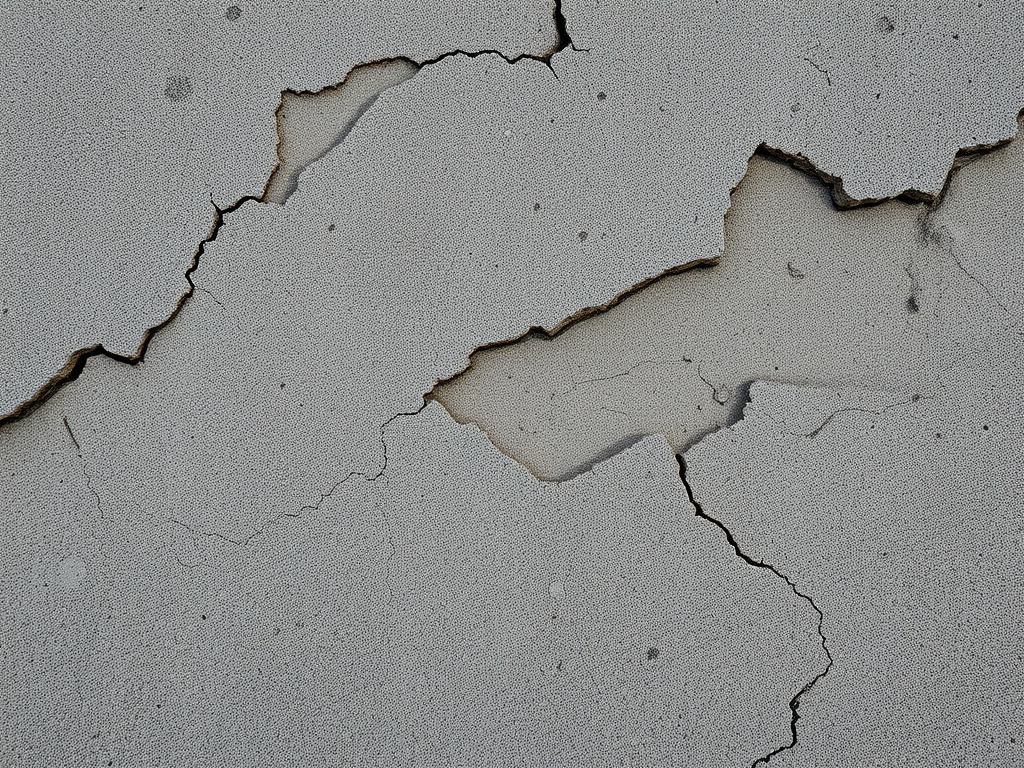
Spalling and scaling both describe concrete losing its surface layer, but they're not quite the same thing. Scaling is a thinner, more localized surface flaking — often concentrated where a driveway or walkway stays wetter longer, whether that's from snowmelt, shade, or repeated ice-melt salt application. Spalling is more severe: chunks of concrete breaking away, sometimes deep enough to expose the aggregate or even rebar underneath. Both trace back to the same underlying mechanism — water in the concrete's pores freezing, expanding by roughly 9% in volume, and fracturing the surface from the inside out, cycle after cycle.
A related failure mode worth knowing about is the popout — a small, often cone-shaped fragment that breaks away from a single piece of aggregate near the surface that itself absorbed water and expanded when it froze. Popouts are usually cosmetic and isolated, while widespread spalling or scaling across a slab points to a broader saturation or air-entrainment problem worth addressing at the surface-restoration level, not just patching individual spots.
Restoration options range from surface-level resurfacing (a new bonded topping applied over sound underlying concrete) to deeper structural repair where spalling has compromised more than the surface layer. We assess how deep the damage actually goes before recommending which one you need — resurfacing over concrete that's structurally compromised underneath just delays a bigger repair.
Why property owners choose it
- Restores a smooth, even surface instead of a flaking, crumbling one that keeps shedding material.
- Correctly distinguishes cosmetic scaling and popouts from deeper structural spalling that needs more than a surface fix.
- Addresses the saturation source driving the damage where possible, not just the visible surface.
- Matched to Flagstaff's real freeze-thaw exposure, not a warm-climate patching product that won't hold through another winter.
- Stops small spalled areas from spreading into a full-slab replacement down the road.
Scaling vs. spalling vs. popouts — what's actually happening to your slab
These terms get used loosely, but the distinction matters for the repair. Scaling is thin, often widespread surface flaking, typically worst where water sits longest or where de-icing salt has been applied repeatedly. Spalling is deeper and more severe — visible chunks breaking away, sometimes down to the aggregate or rebar. Popouts are small, isolated cone-shaped fragments from a single piece of aggregate that absorbed water and expanded on freezing.
A slab with light scaling in a shaded corner might just need targeted resurfacing there. A slab with spalling across multiple areas, especially anywhere rebar is visible, needs a more thorough structural assessment before resurfacing, since covering exposed rebar without addressing the corrosion risk underneath doesn't solve the underlying problem.
- Scaling: thin, widespread surface flaking, often salt- or saturation-driven
- Spalling: deeper chunks breaking away, sometimes exposing aggregate or rebar
- Popouts: small, isolated fragments from a single aggregate piece
Why saturation is the variable that matters most
Concrete that stays relatively dry through a freeze cycle holds up even after many winters. Concrete that's frequently saturated — from poor drainage, standing snowmelt, or a shaded spot that never fully dries between storms — deteriorates far faster, because there's more water available in the pores to freeze and expand. That's why spalling and scaling on a given property are so often concentrated in the exact same low spot, shaded corner, or downspout runoff area year after year. Correcting the drainage or grading issue alongside the repair is often what actually stops the damage from coming back.
Ideal for
- Driveways, patios, or walkways with a rough, flaking, or crumbling surface texture
- Concrete with visible aggregate exposed where the surface layer has worn away
- Slabs that have been salted with bagged ice-melt for multiple winters and show surface scaling
- Older concrete poured before modern air-entrainment practices were standard
What affects the cost
Spalling Repair questions, answered
Scaling is thinner, more widespread surface flaking, often concentrated where water sits longest or where de-icing salt has been used repeatedly. Spalling is more severe — visible chunks of concrete breaking away, sometimes deep enough to expose the aggregate or rebar underneath. Both are freeze-thaw failure modes, but spalling generally needs a more thorough assessment before resurfacing.
Often, yes — if the damage is limited to the surface layer and the concrete underneath is still structurally sound, resurfacing with a bonded topping restores a smooth, even surface without a full slab replacement. If spalling has gone deeper, or rebar is exposed and corroding, a more thorough structural repair is usually needed before resurfacing makes sense. A free on-site inspection tells you which situation you're in.
That's almost always a saturation pattern — a shaded corner, a low spot that holds snowmelt, or an area near a downspout that stays wetter longer than the rest of the slab. Water sitting in that spot has more opportunity to freeze, expand, and fracture the surface with each hard freeze, which is why the damage keeps reappearing in the same location instead of spreading evenly.
Spalling Repair done right, by a crew that works this specific climate
Spalling Repair isn't a commodity — the result depends on correctly diagnosing whether you're looking at freeze-thaw damage, soil-movement settlement, or both, and matching the repair to Flagstaff's real winter exposure instead of a warm-climate approach. We assess what your concrete actually needs, address the root cause where we can, and repair to hold through real Northern Arizona winters.
We serve Flagstaff, Doney Park, Fort Valley, Bellemont, Parks, Munds Park, Kachina Village, Williams, Sedona, Prescott, and Prescott Valley. Every job starts with a free, no-pressure on-site estimate.
We also stay in our lane: we repair and restore existing concrete — we don't pour new driveways or handle new-construction flatwork. That focus is deliberate. Diagnosing and fixing damaged concrete correctly is a different skill set than pouring new slabs, and it's the one we've built this company around.
Free inspection
We assess the actual damage and give you a clear, itemized estimate.
Correct diagnosis
We identify whether spalling repair needs a targeted repair or a more involved fix — no upsell.
A repair that holds
Work matched to real Flagstaff winters, not a warm-climate patch job.
Related repair services
Ready for a free spalling repair estimate?
Tell us what's cracked, sunken, spalled, or heaved and we'll put together a clear, no-pressure repair estimate — built for real Flagstaff-area freeze-thaw damage.